Interpreting Chicken Labels
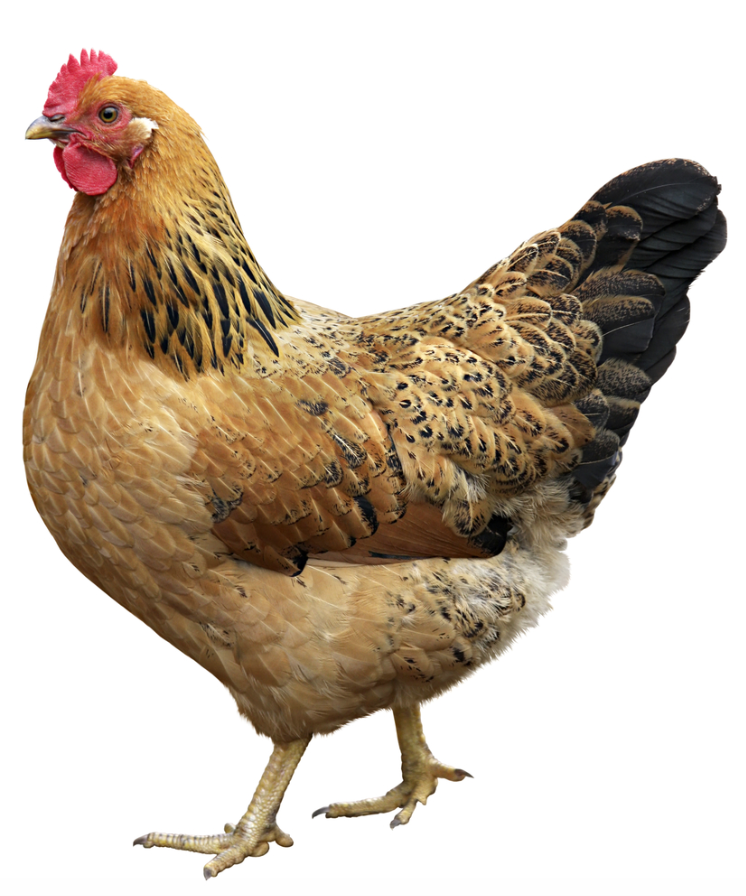
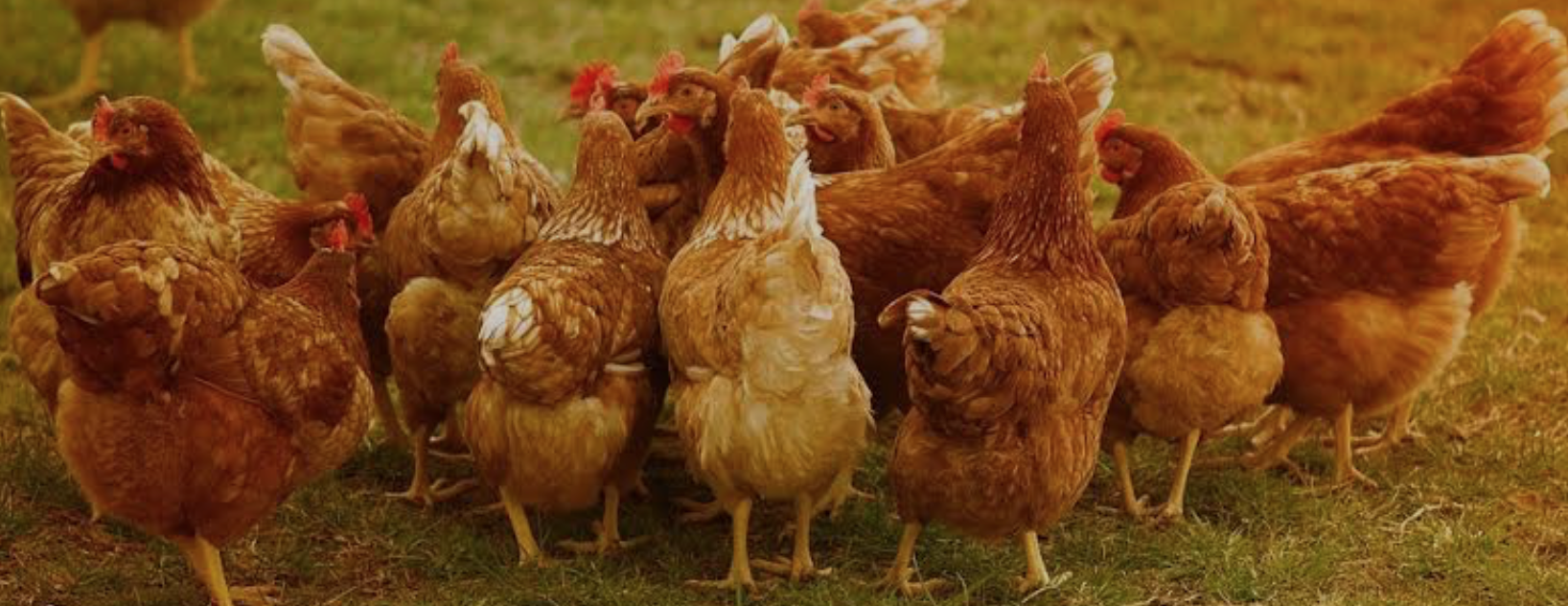
Pastured/Pasture-Raised: This chicken is raised on a pasture—an area covered with grass or other plants suitable for grazing of livestock. There are no specifics as to the amount of space or the time spent outdoors.
Certified Humane Pasture-Raised. This is more specific than simply “pasture-raised.” Each humane certified pasture-raised chicken must have at least 108 square feet of pasture to roam and forage for grass, seeds, insects, and worms. The birds spend most of the time outdoors. Shelter must be available for the hens to sleep in.
Animal Welfare Approved has the strictest regulations pertaining to housing, breed health, and transit times (length of trip) to the slaughterhouse.
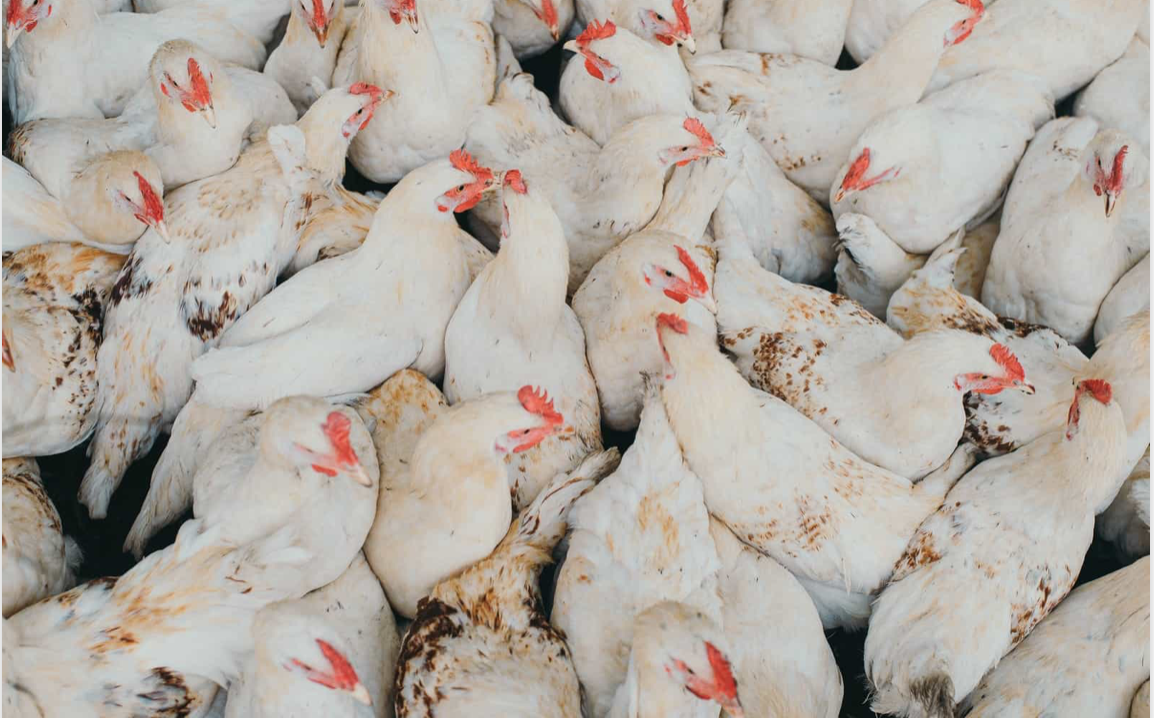
Free Range (free roaming, cage-free): While this sounds desirable, the meaning is broad. It specifies that the chickens have access to the outdoors every day for an undetermined amount of time. At one extreme, the birds could have full access to the outdoors 24/7. At the other, they could live in indoor, overcrowded conditions with a small door that opens to the outside for a few minutes a day. So “free range” doesn’t always translate to humane treatment.
Certified Organic: USDA Certified Organic chickens are fed only organic feed, have never received routine antibiotics and must have some outdoor access. The “organic” label refers more to diet and feed practices than overall animal welfare; for example, “organic” doesn’t always mean pasture-raised or humanely treated.
Vegetarian Fed: Chickens are receive a diet with no animal byproducts. This doesn’t guarantee they were raised humanely.
No Added Hormones: This label is meaningless because, by federal law, all chicken in the United States is raised without added hormones.
Farm-raised: This is just what it sounds like—the chicken was raised on a farm, as all chickens are. This is mostly a marketing buzzword and often used on restaurant menus to denote locally raised chickens.
Natura:Perhaps the slipperiest of slopes when it comes to food labels, the term “natural” when used on poultry signifies that the product is free of artificial colors or ingredients and is minimally processed. The term ‘natural’ must also be accompanied by a statement that explains how it applies to that particular product (for example, “No artificial flavors” or “Minimally processed.“Natural,” however, says nothing about the quality of the poultry – what the animals were fed, how it was raised etc., so unless you’re buying purple and green dinosaur-shaped chicken nuggets (don’t laugh, these were a thing at one time) and are unsure whether or not they contain real chicken, the term “natural” really doesn’t mean anything when it’s on a package of poultry.”l

Naturally Raised Until lab-created and raised poultry becomes a thing, this terminology means nothing. Under USDA regulations, a“natural” product has no artificial ingredients, coloring ingredients, or chemical preservatives, and is minimally processed.
Vegetarian Fed
While not a *bad* thing to see on a poultry label, it’s also not super helpful. While “vegetarian fed” does mean that the animals were not fed any animal by-products (which is illegal), it may also mean that they weren’t given access to the outdoors where they could enjoy a natural part of their diet – bugs, grubs, and worms.
Most poultry feed is
made from corn and
soybean meal, but
sometimes also
contains meat and
poultry by-products,
which are excellent sources of healthy vitamins, minerals and proteins. If the feed does not contain any of these products, it can be labeled "All-Vegetable Diet" or "Veggie Fed."
In the case of free-range (or “pasture-raised”) chickens, they may be consuming bugs and grubs in addition to the vegetarian feed, but the only way to know is to ask the farmer or do your research online.